


When we sit with a cup of sacred cacao and begin to listen inwardly, our attention naturally turns toward lineage. Yet our ancestral work reaches beyond the family lines we inherited. It also asks us to meet the living memory of the land beneath our feet.
Have you ever properly greeted the ancestors of the land where you live? The invisible guardians of a place can shape the atmosphere of our daily lives, even when we are not consciously aware of them. Connecting with them brings us back into relationship with our surroundings and can transform the energy of our home.
The ancestral work I share is not about resurrecting the past. It is about reconciliation: hearing what has been carried, acknowledging what came before, and allowing those older voices to illuminate the path we are walking now.
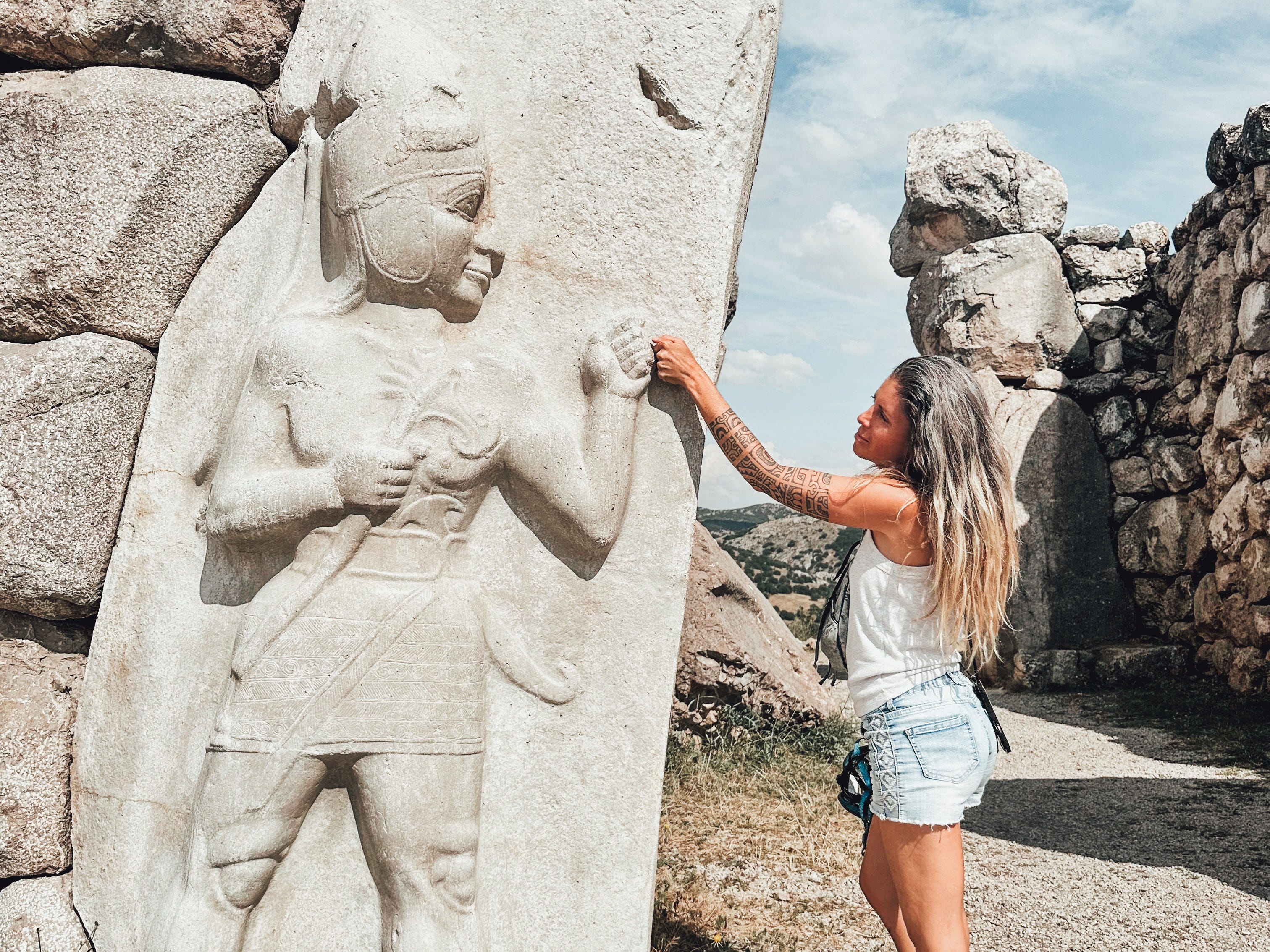
Who Are the Ancestors of the Land?
The ancestors of the land include the Indigenous peoples who lived here before us, the keepers of knowledge passed from generation to generation, the nature spirits particular to the region, the elemental beings who watch over the place, and local ancestral guides who care for the territory.
Every living being leaves an imprint in the earth’s subtle web. During life, through presence and relationship; after death, through bones and ashes returning to the soil. The land holds these traces. Its atmosphere is shaped by all those who have walked it, tended it, loved it and suffered upon it.
Why This Connection Matters
When the beings and peoples of a territory are ignored or treated without respect, the home can feel unsettled: relationships may become strained, the atmosphere difficult to clear, and unexplained tiredness or disturbed sleep may appear. Honouring the land does not promise a life without difficulty, but it can help bring the energy of a house into greater alignment, turning it into a place of refuge, healing and harmony.
This relationship can also restore belonging. When we are disconnected from the place we inhabit, it may be hard to feel rooted within ourselves, within our community, or within the natural world. Learning to meet the land’s memory deepens our bond with nature and reminds us that we are participating in a long story rather than standing outside it.
The guardians of a place may offer a guidance specific to that environment, a sense of energetic protection, and a wisdom shaped by the seasons, history and living systems around us. In time, this can support the healing of our relationships with one another and with the wider community of life.
Every cell of your body remembers the stories, emotions, traumas and triumphs of your ancestors, even when your conscious mind does not.
Learning the Names of the First Peoples
If you know the names of the Indigenous peoples whose land you are living on, greet them by name. Naming is a simple but meaningful act of respect. Native-Land.ca can help you begin that research. If you are Indigenous yourself, do not assume that ancestry alone completes the relationship; greeting and honouring the land’s guardians remains an important practice.
A Ritual to Honour the Ancestors of the Land
Choose a quiet, natural place that you wish to honour. This may be your garden, the land immediately around your home, a nearby park or another place that calls you. As a guide, the area within roughly one to five kilometres of your home can be approached as the immediate territory; your village or town can open the relationship to the wider land.
Preparing Yourself
Bring your sincere presence, a journal and something to sit on. If it feels right, prepare a respectful offering such as pure water, local flowers, honey, tobacco, a prayer or a song. Sit down, feel your feet touch the earth, breathe the air of this place and let your senses open to what is already here.
Remembering the Land
Close your eyes and imagine this land before its current development and colonisation: its original beauty, its waterways, plants and animals, and the first people who lived in relationship with it. You do not need to force an image. Simply allow yourself to sense that the ground carries memory.
Greeting and Introducing Yourself
To the ancestors of this land, [name them if you know their name], I greet you. My name is [your name], and I come from the lineages of [name the people and places that shaped you]. I am humble and deeply honoured to walk upon this sacred land.
If you do not know the specific names, “ancestors of this land” is enough. What matters is that the words are spoken with care, not performance.
Naming Your Intention
My intention is to give back, because you have already given me so much. My intention is to be in communion with you, and to support your healing and wellbeing. I intend to respect you and to understand how I may be of service to you and to all life. Thank you for allowing me to be here. I do not take this lightly, and I am truly grateful.
Asking for Guidance
I want to deepen my relationship with you. Please guide me as I share prayers, offerings and songs with you. Let me know if there are particular gifts you would welcome. I am here with an open heart, willing to serve in whatever ways I can. I am grateful for this relationship. I am open, and I am listening. Thank you.
Silence, Listening and Closing
Remain quiet for a few moments. Feel the earth beneath you. Notice sensations, images, dreams, thoughts or small shifts in the atmosphere, without needing to interpret them immediately. Write down what you experienced. When you feel ready, offer your thanks.
Thank you for allowing me to be here. I honour you and the wisdom you hold. I look forward to deepening our relationship. May this connection continue to grow in mutual respect and love.
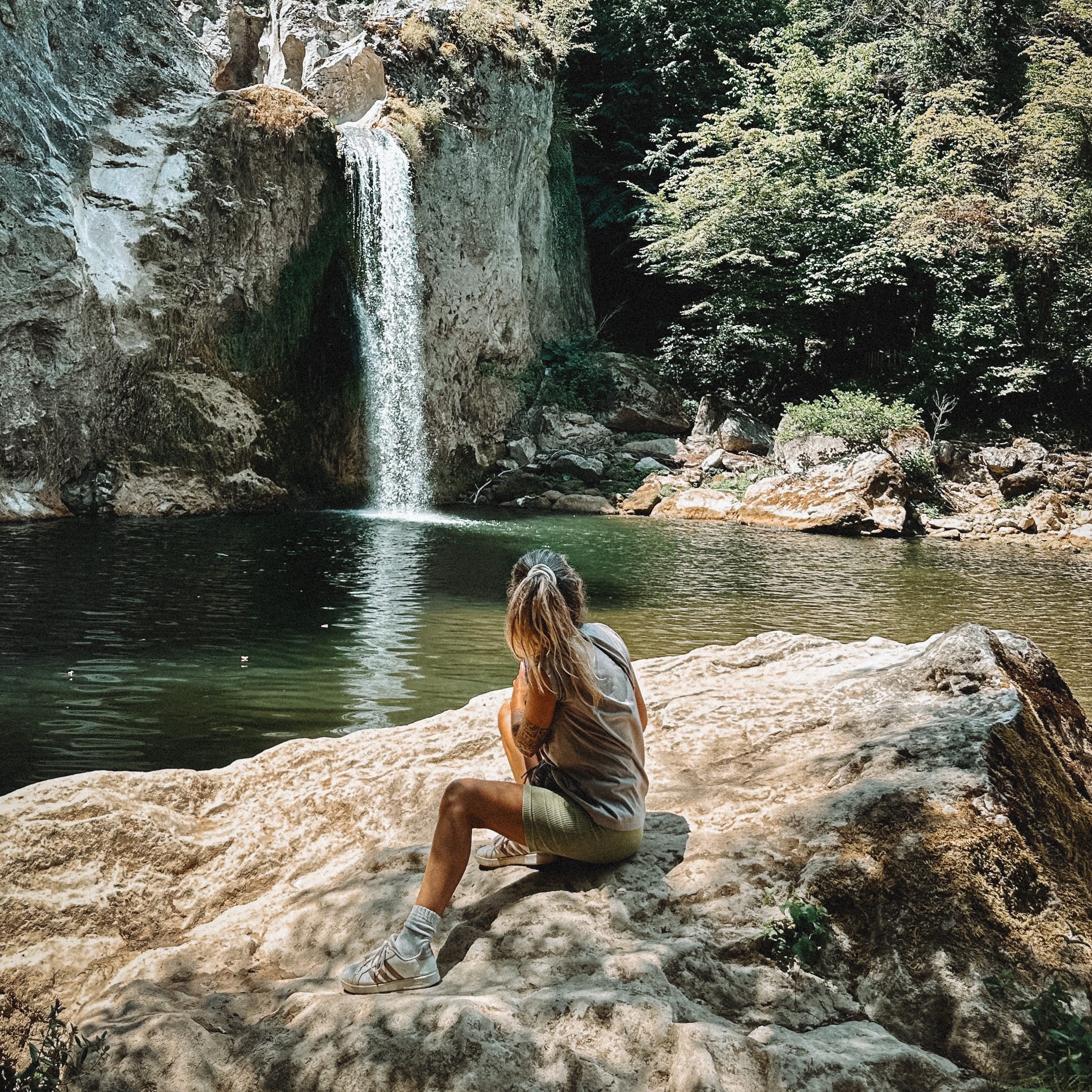
Let the Relationship Continue
After the ritual, note your feelings and observe whether the energy of your home feels different. Stay attentive to dreams and synchronicities, but do not turn every coincidence into a message. A first greeting is only a beginning. Return to the land, learn its local history, notice its natural cycles, and take part in protecting the environment around you.
An altar dedicated to the territory can support this relationship. You might create a separate space, or add local stones, plants, photographs or other respectful representations to an existing ancestral altar. If you take something from nature, ask first and receive only what is freely offered.
Offerings are not transactions. We do not make offerings to demand help in return. We offer because something has already been given.
If this article resonated with you, I invite you to keep walking this path of ancestral reconnection with me.
Follow us on Instagram and discover my guided meditations and sound journeys on Insight Timer.