


The other evening, my husband and I prepared our sacred cacao and sat down to meditate with it. When we began speaking again, I heard myself say: “I know what I am missing right now. It is my altar.”
We were staying temporarily in another part of the property, while my altar remained in a different house. That small separation revealed something essential. Without my altar, I felt lost, unanchored, as though I were floating through an undefined space and time. I realised that my altar is home, and that my home is an extension of it.
Your daily life is your temple and your religion. — Kahlil Gibran
An Altar Is More Than Decoration
An altar is a meeting place between the material and spiritual realms. It can hold the energies, guides, elements or ancestors with whom we are in relationship. In this sense, it is a spiritual technology: a physical doorway that helps an invisible relationship become present in ordinary life.
For me, creating an altar is not only about making something beautiful. It is the physical expression of a commitment. Each time I sit before it, I strengthen a current of attention and energy. Over time, that current moves through the rest of my life, making the sacred less abstract and more intimate.
By connecting with our ancestors, we open the way to our own healing and to the healing of our lineages. — Nancy Hendrickson
An altar may become an interface through which teachings arrive: through direct impressions, dreams, synchronicities or the quiet clarity that follows a regular practice. It can also offer a sense of belonging to a lineage and an energetic anchor in the place where you live. This work is not a guarantee or a shortcut; it is a way of showing up.
What Kind of Altar Are You Creating?
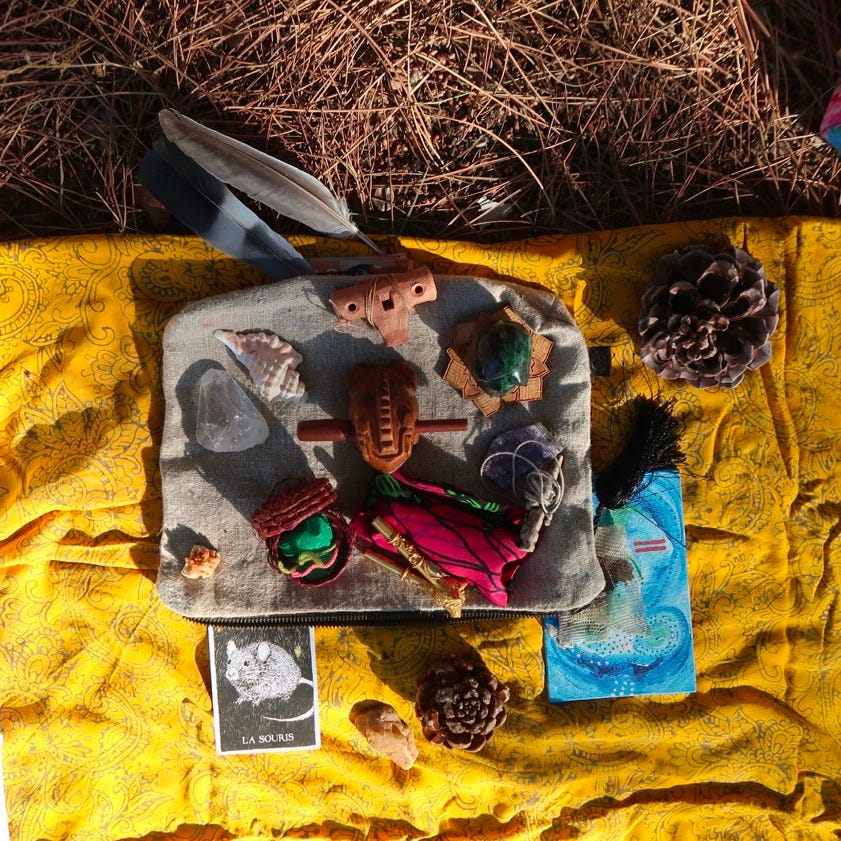
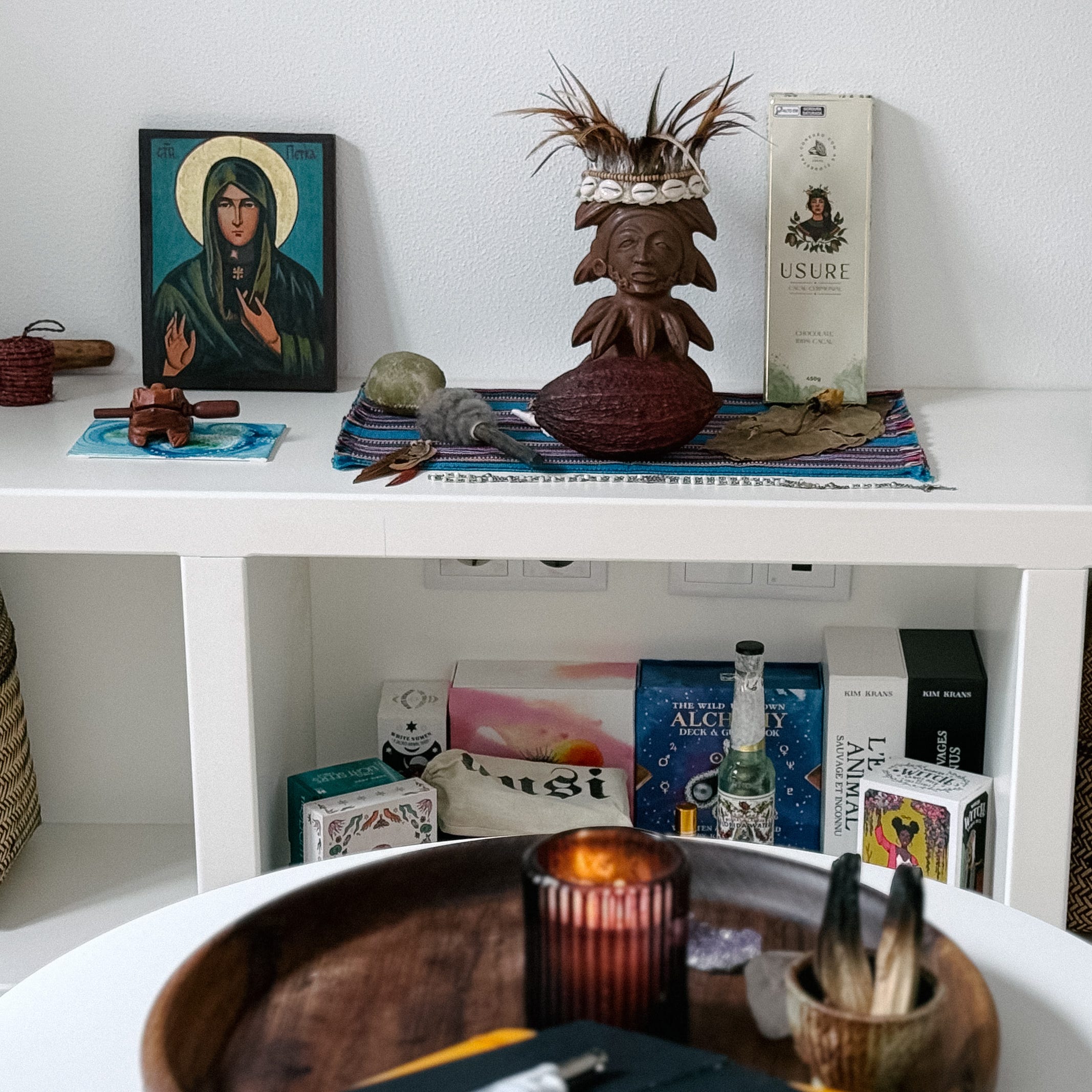
You may dedicate an altar to your family lineage and the healing of inherited memories; to the ancestors of the land, so that you can honour the guardians of the place where you live; to the elements; or to a particular medicine. I have, for example, created an altar for the spirit of sacred cacao before ceremonies. Let your intention lead before aesthetics do.
Before you begin, ask yourself which energies or guides you wish to meet, what commitment you are genuinely able to make, how this relationship might enter your daily life, and what intention you want to place at its centre.
Finding the Place
Your altar can rest on the floor upon a dedicated cloth, on a low table, in a basket you bring out for practice, on a dresser, beside your bed, or inside a box or pouch that travels with you. Choose somewhere quiet, intimate, stable and easy to visit. If possible, an eastern orientation can offer a gentle relationship with the rising sun, but respect and accessibility matter more than perfection.
Choosing What Belongs There
Begin simply. A candle and incense can already form an altar. You do not need to fill the space with fashionable spiritual objects or imitate photographs online. Your altar should carry a personal history, not just a pleasing appearance.
For family ancestors, you might bring photographs of loved ones living or departed, a hand-drawn family tree, family albums, inherited objects, a familiar scent, something they loved to eat or drink, or a handwritten prayer. For the ancestors of the land, consider a local stone, seed, plant, fallen stick, shed antler or photograph of a meaningful place. Ask respectfully before taking anything from nature.
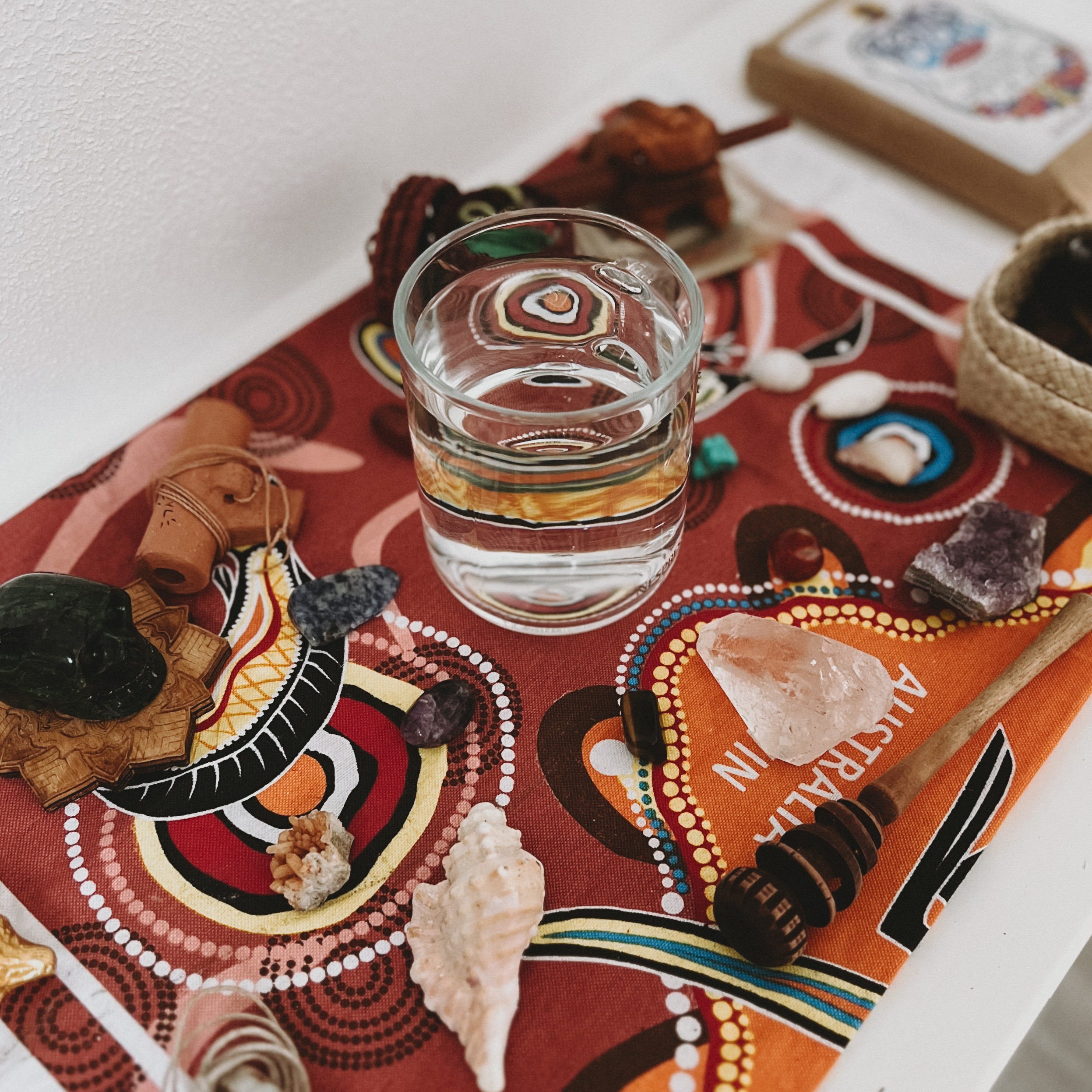
Saints, deities, animals, symbols and objects connected to your culture may also have a place, provided you understand your relationship with them. Fresh flowers, food, pure water, sacred alcohol, tobacco, plants, honey or a temporarily offered piece of jewellery can become gestures of care. You may also work with the elements: water in a bowl or shell, fire through a candle or volcanic stone, earth through a stone, crystal or plant, air through incense, a feather or bell, and ether through open space.
Follow your intuition, including when it leads somewhere unexpected. A family spoon, knife, medal, lock of hair, tooth or bone may carry a meaning that no guidebook could prescribe. If a particular object connects you to a loved one and feels respectful, that personal connection is reason enough.
What to Leave Out, and How to Care for It
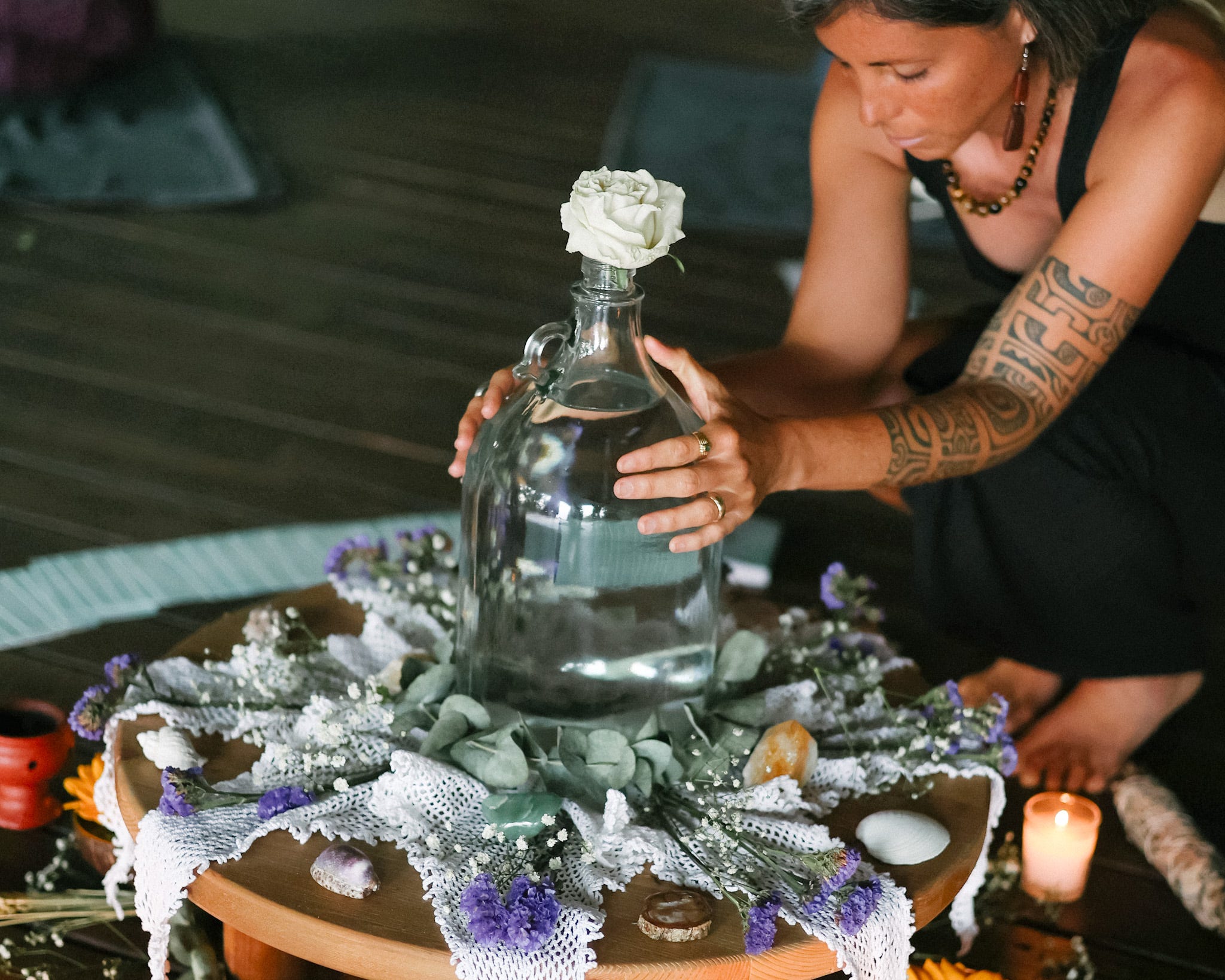
Do not place objects whose meaning you do not understand, symbols that feel negative to you, deities from unfamiliar traditions without permission or relationship, masks, mirrors, sacrificial tools or anything that brings an energy you do not wish to invite. Keep the space clean. Do not allow food, flowers or water to decay unnoticed; return offerings to the earth respectfully when appropriate, dust the altar with gratitude, and renew what has become stale.
Your altar is an extension of you. Caring for it is not about maintaining an image; it is about tending the relationship it represents.
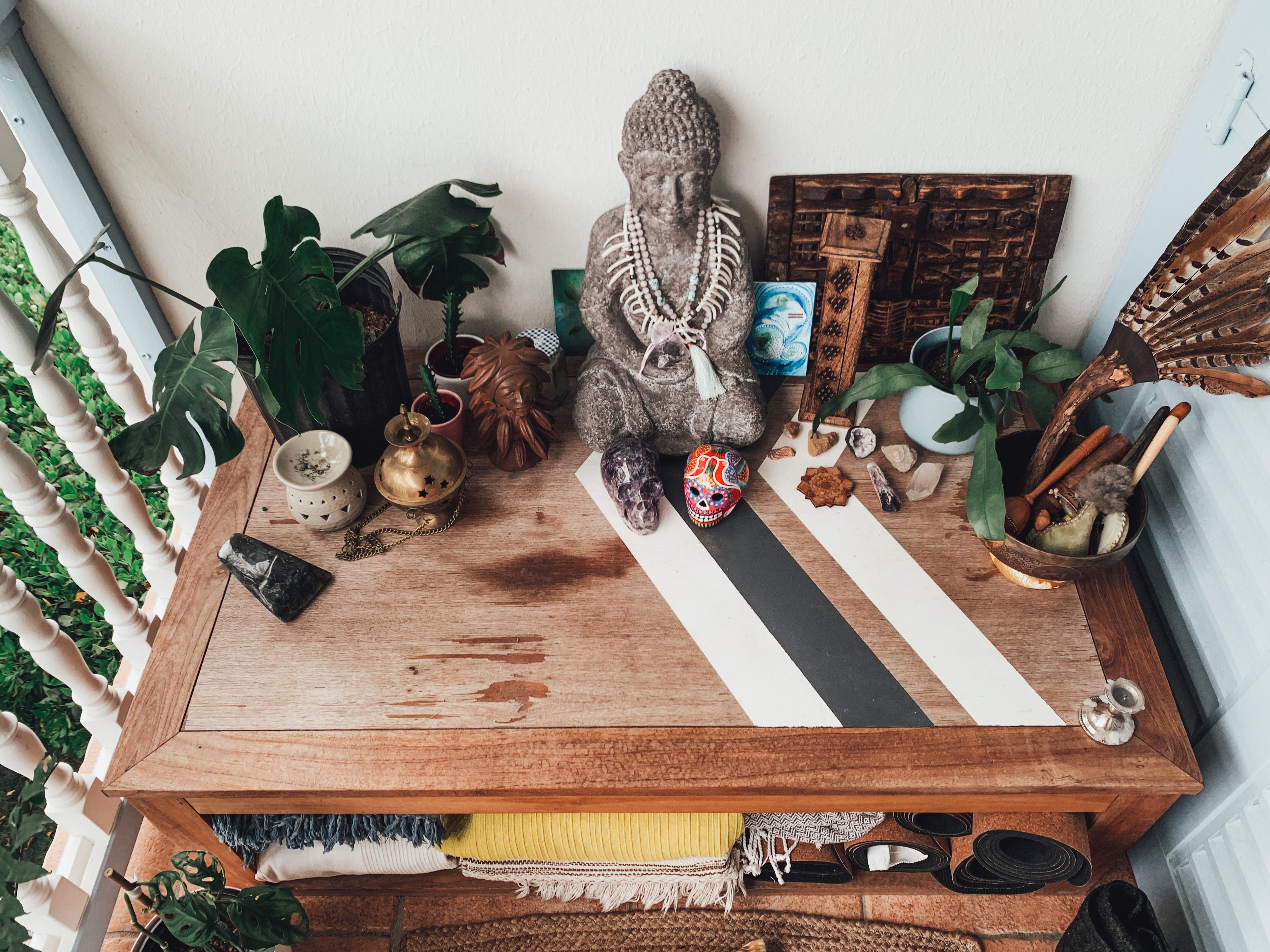
Activating the Altar
When you create the altar, clean the space physically and energetically. Speak your intention clearly. Place each object with awareness and gratitude, then light a candle or incense if appropriate. Invite your ancestors to bless the space.
Beloved ancestors, I create this sacred space in your honour. May it become a doorway between our worlds, a place of communion and guidance. Bless this altar and guide me in my daily practice. Thank you for your loving presence.
Making It Part of Daily Life
If you can, spend fifteen minutes with your altar each day. In the morning, greet your ancestors and ask for guidance. In the evening, offer gratitude and reflect on the day. At other times, sit in meditation or prayer when you feel called. The power of the altar grows through presence, not through its number of objects.
You can also set yourself a small, living challenge: gather one meaningful object connected to each of your grandparents, or create a poem, song or piece of art inspired by your ancestors. Let the altar evolve with the seasons. Spring may bring flowers and seeds, summer fruit and bright colours, autumn leaves and harvest, and winter branches, candlelight and inwardness.
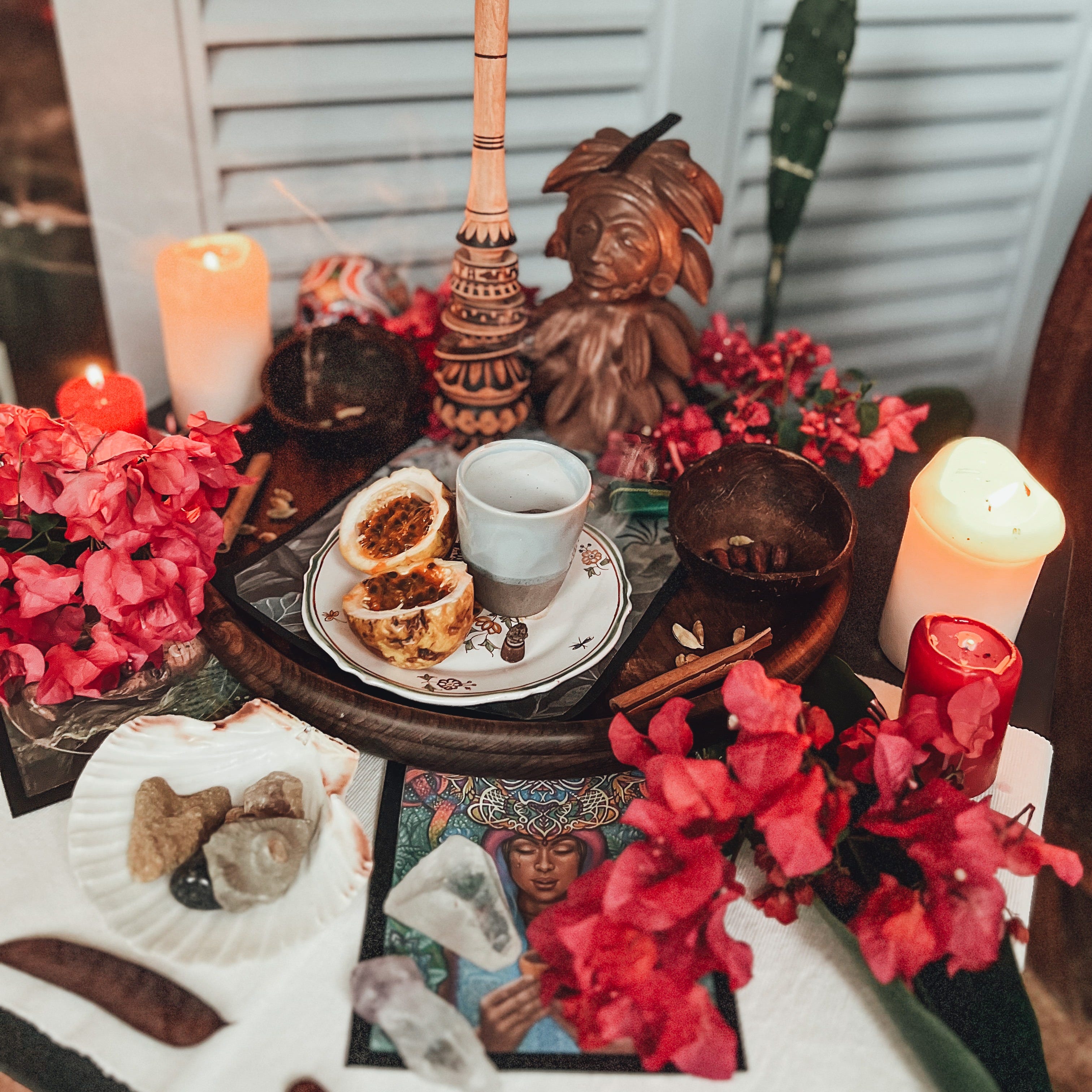
A Nomadic Altar
If you travel, make a portable version with a small dedicated cloth, a tea light, a protected photograph, a personal stone and a small prayer notebook. An altar does not have to be permanent. A basket or pouch that you open each day can hold the same intention. What matters is the relationship, not the furniture.
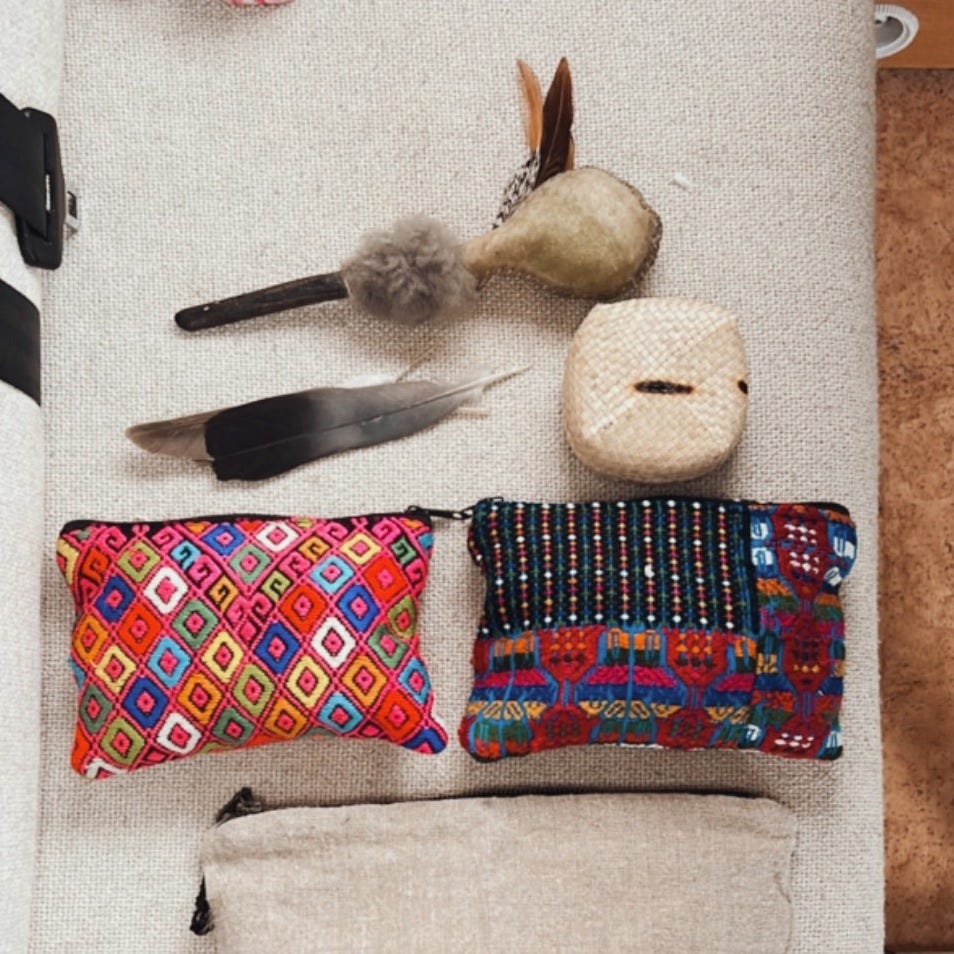
A Few Gentle Reminders
You do not need photographs to begin. Write the names of your ancestors, draw a family tree, or choose objects that evoke your origins. You do not have to photograph your altar or display it publicly; sacred intimacy is worth protecting. And you do not have to feel something dramatic at once. Start with sincerity, and let the connection reveal itself in its own time.
Walk proudly, as if three hundred of your ancestors were standing beside you.
Creating an ancestor altar is not a spiritual obligation. It is a choice of love and connection. Over time, it may become the spiritual heart of your home: a constant bridge between the visible and invisible worlds, and a place where a simple cup of cacao can open into listening.
If this article resonated with you, I invite you to keep walking this path of ancestral reconnection with me.
Follow me on Instagram and discover my guided meditations and sound journeys on Insight Timer.